 Department of International RelationsDepartment of International Relations
 Sibiu Confucius Institute was the first Confucius Institute in Romania. Established on August 29, 2006, through the joint efforts of Beijing Language and Culture University and Lucian Blaga University of Sibiu, it officially commenced operations on November 18, 2007.
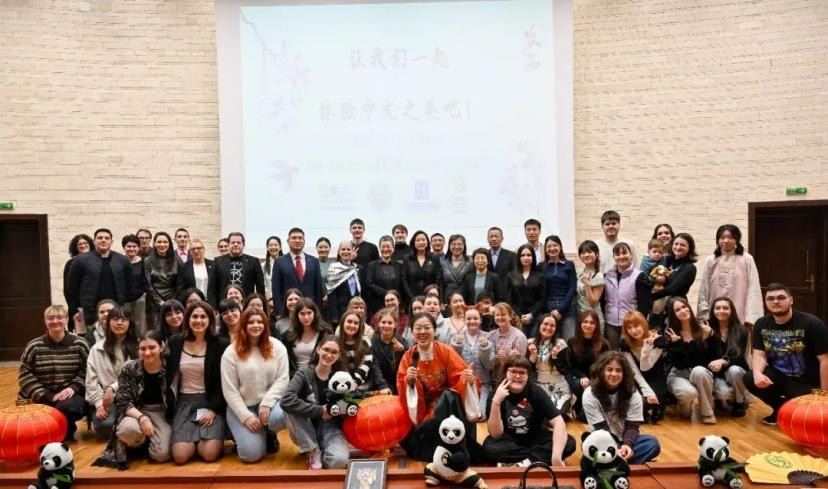
From April 11 to 12, 2025, the Sibiu Confucius Institute organized the International Chinese Language Day event under the theme “Chinese: A Gift Through Time and Space,” offering participants a rich and immersive cultural experience.
The opening ceremony began with an introductory video inspired by the Grain Rain solar term and was honored by the presence of Ms. Hua Yafang, Chargée d’Affaires of the Chinese Embassy in Romania. Representatives of Lucian Blaga University of Sibiu, including Vice-Rector Ana-Raluca and Delia Ștefănel, Head of the International Relations Department, also addressed the audience. Iulia Elena Cindea, coordinator of the Chinese language program, highlighted the cultural meaning of the character “安” (peace), while student representative Zhang Tianxi shared her vision of “One World, One Family.” The ceremony was complemented by artistic performances, including the dance “Ascending the Spring Mountain” (Yang Zitong), a guzheng recital “The Liuyang River” (Li Muzi), a dance by Qian Mingxuan from the Beijing Dance Academy, and a group performance of “Welcome to Beijing.”
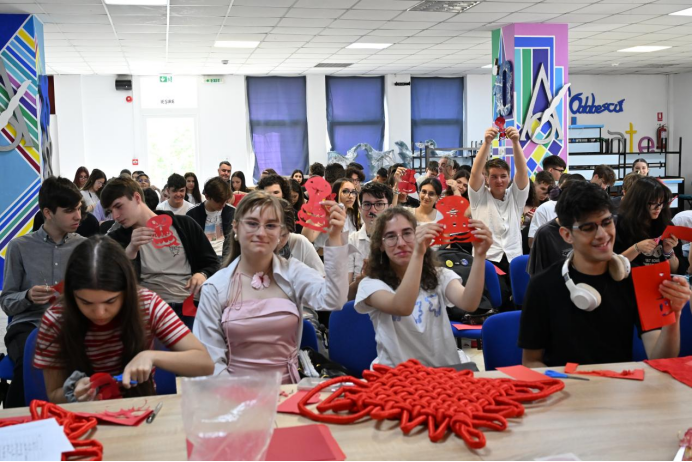
The cultural exhibition area, held in the university library, featured interactive workshops where participants could create Chinese-style bracelets, practice calligraphy, explore Peking Opera face-painting, and model traditional dishes. The sachet-making activity introduced elements of traditional Chinese medicine, while guzheng and tea art sessions offered both demonstrations and hands-on experiences, creating a multisensory journey into Chinese culture.
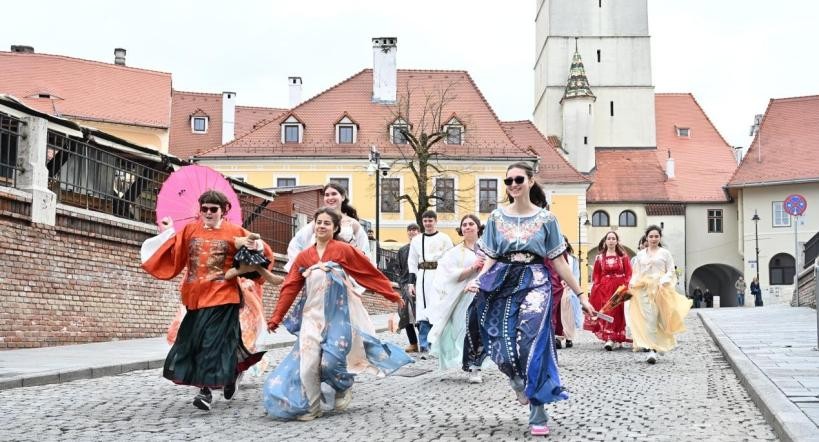
A special highlight was the Hanfu photo activity in Sibiu’s Great Square, where students dressed in traditional Chinese clothing recreated classical aesthetics using elements such as oil-paper umbrellas, bringing ancient traditions into a contemporary European setting.
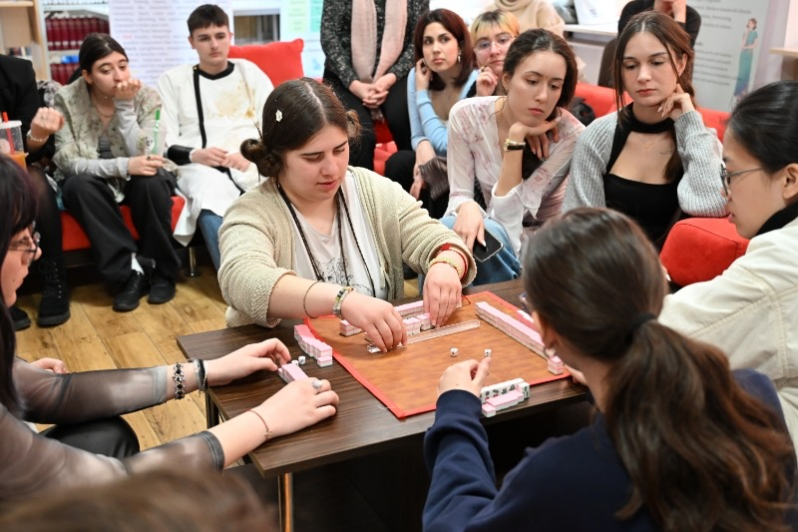
The program also included interactive activities such as mahjong sessions guided by volunteer teacher Yang Zitong, encouraging cultural exchange in a relaxed and engaging atmosphere. The event concluded with a Chinese film screening introduced by teacher Li Hanyang, offering participants further insight into Chinese society and storytelling through cinema.
Through its diverse program—combining official dialogue, artistic expression, and hands-on cultural experiences—the event successfully highlighted the depth and vitality of the Chinese language, strengthening cultural understanding and connections between China and Romania.
On April 4, 2026, the Sibiu Confucius Institute successfully organized the 17th edition of the “Confucius Cup” Chinese Language Competition at Lucian Blaga University of Sibiu.
The event brought together 26 participants from primary, secondary, and tertiary institutions, who competed in two parallel venues, showcasing both their Chinese language proficiency and their enthusiasm for Chinese culture.
The competition was structured around three thematic categories:
Participants demonstrated their skills through prepared speeches and talent performances, reflecting both linguistic ability and cultural understanding.
A new element introduced this year was the impromptu speech segment for university students, adding an extra layer of challenge and spontaneity to the competition.
The event was smoothly coordinated by Chinese teachers and student volunteers, while the hosting team—composed of former national champions—ensured a dynamic and professional atmosphere.
The judging panel included Chinese Director Wang Jiong, teacher Song Ruizhu, and five local judges, all former Confucius Institute graduates who have since excelled in various professional fields, highlighting the institute’s long-term impact.
Talent performances were diverse and engaging, ranging from Chinese painting, dance, and rap (secondary level) to poetry recitations, guzheng, calligraphy, tea art, and traditional dance (university level).
Following a highly competitive round:
Top-performing participants will have the opportunity to represent the Sibiu Confucius Institute at the national “Chinese Bridge” competition in Romania.
As a flagship event, the “Confucius Cup” continues to play a key role in promoting Chinese language education and strengthening cultural exchange between China and Romania.
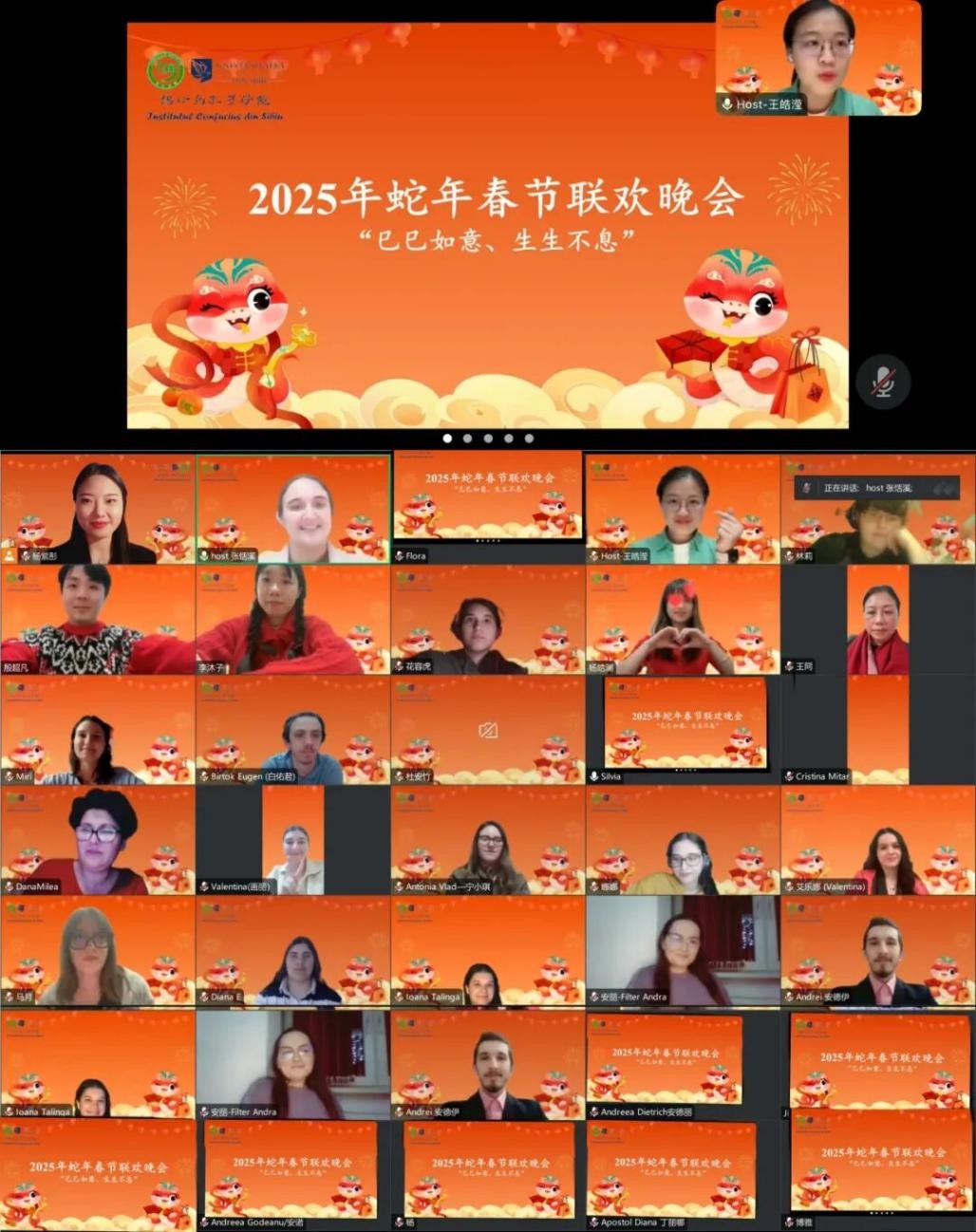
During the 2025 Spring Festival season, the Sibiu Confucius Institute organized a series of online and onsite celebrations themed the Year of the Snake, in collaboration with schools and partner institutions across Romania.
The Virtual Spring Festival Gala, “Endless Prosperity, Eternal Vitality,” featured songs, Hanfu dances, and guzheng performances by students from Vâlcea, Deva, Pitești, Bucharest, and Sibiu, along with a festive lucky draw.
Onsite activities offered immersive cultural experiences:
Chinese New Year traditions and songs for children at the Finnish School in Sibiu
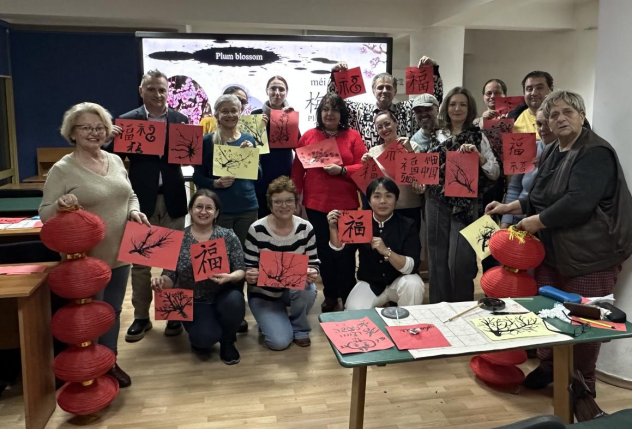
Calligraphy workshops and ink-blown art at the Vâlcea Library
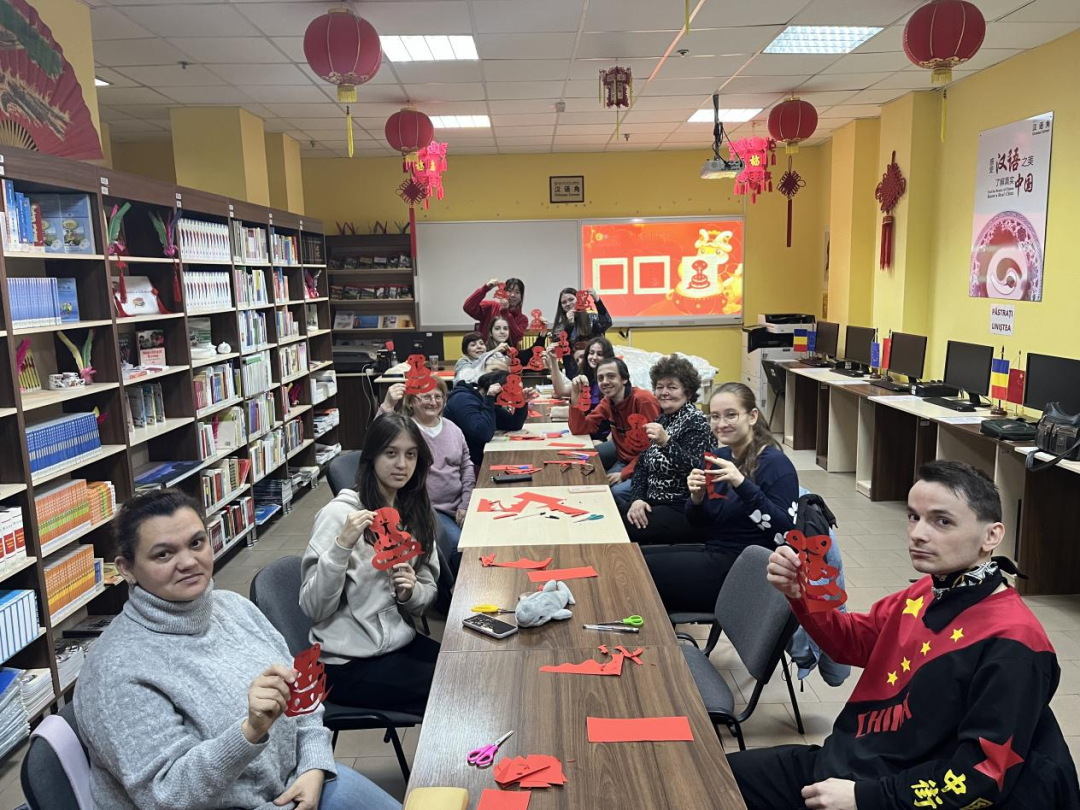
Tai Chi, paper-cutting, lantern riddles, and guzheng performances at the Deva Hunedoara Library
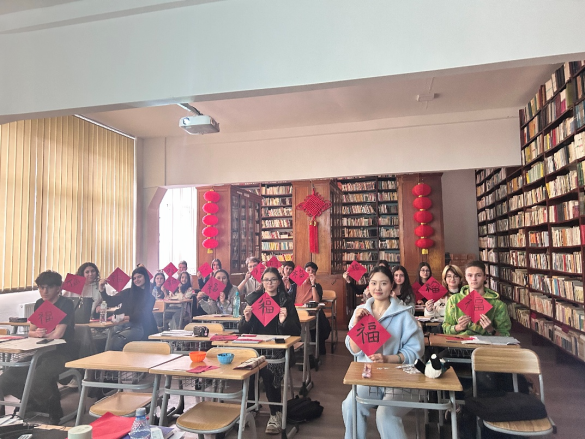
Creative workshops in Pitești inspired by the myth of Nüwa and the symbolism of the character 福 (fortune)
Through artistic activities, cultural presentations, and interactive workshops, the program engaged participants of all ages and strengthened understanding and appreciation of Chinese culture in Romania.
On April 11–12, 2025, the Confucius Institute at Lucian Blaga University of Sibiu celebrated International Chinese Language Day under the theme “Chinese: A Gift Across Time and Space.” The opening ceremony welcomed diplomatic representatives, academic leaders, and over 100 students and community members.
The event showcased Chinese language and culture through:
Traditional dance and guzheng performances
Calligraphy and tea art demonstrations
Hands-on workshops (mask painting and sachet making)
A Hanfu fashion showcase in Sibiu’s historic square
An introduction to Mahjong and a Chinese film screening
The celebration highlighted Chinese as both a communication tool and a gateway to cultural heritage, promoting mutual understanding and people-to-people exchange between China and Romania.
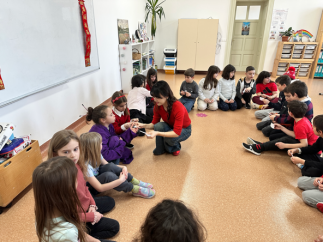
Between May and June 2025, the Sibiu Confucius Institute conducted extensive cultural outreach activities across Romania, strengthening cooperation with regional teaching sites and local communities.
Activities included:
Cultural workshops and introductory Chinese language lessons
Calligraphy, paper-cutting, panda painting, and personalized Chinese name bookmarks
Ba Duan Jin exercises and traditional games such as Gomoku and shuttlecock kicking
The institute hosted students and teachers from Decebal High School in Deva, organized workshops in Făgăraș, participated in the Children’s Day event “Magia Copilăriei” in Șelimbăr, and held a major cultural event in Pitești with nearly 100 participants from multiple teaching sites.
These initiatives generated enthusiastic participation and significantly increased interest in Chinese language and culture among Romanian youth, while strengthening cultural ties between China and Romania.